

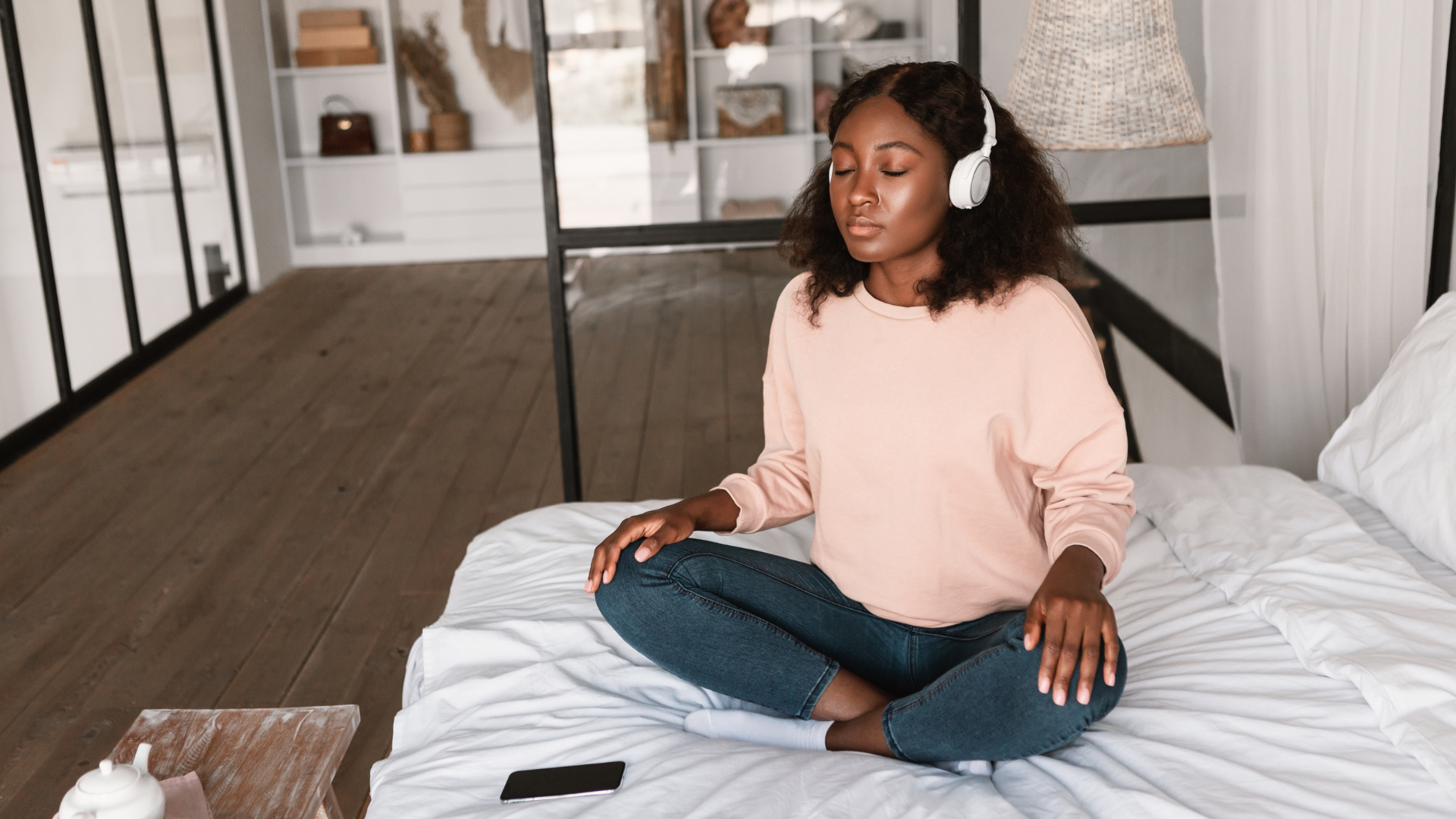
Meditazione nell’Epoca Moderna
La meditazione ha aiutato le persone a trovare calma e concentrazione per migliaia di anni. Oggi, la tecnologia la rende più facile, coinvolgente e misurabile. App guidate, dispositivi indossabili ed esperienze immersive aiutano il cervello a rilassarsi, monitorare i progressi e rispondere ai segnali del corpo in modi che la pratica tradizionale non può offrire.
Allo stesso tempo, la guarigione sensoriale che coinvolge vista, suono, tatto e persino olfatto sta guadagnando popolarità. Combinata con la tecnologia, la meditazione offre ora benefici multilivello per il benessere cerebrale.

Come la Tecnologia Aiuta la Meditazione
La tecnologia ha trasformato la meditazione da una pratica statica a un’esperienza dinamica e interattiva.
Strumenti popolari:
- App guidate: Calm, Headspace, Insight Timer, Waking Up. Personalizzate per umore, stress o concentrazione.
- Dispositivi indossabili: Muse, Core, Fitbit Sense. Monitorano frequenza cardiaca, respirazione, onde cerebrali, fornendo feedback in tempo reale.
- Meditazione VR/AR: TRIPP, Guided Meditation VR. Trasportano gli utenti in foreste tranquille, spiagge o galassie.
- Personalizzazione AI: Le app adattano le sessioni in base all’umore, alla pratica passata o al livello di stress.

Benefici della Meditazione Potenziata dalla Tecnologia
Perché funziona meglio della meditazione tradizionale da sola:
- Alleviamento dello stress: Effetto calmante immediato grazie a sessioni immersive.
- Concentrazione: Il feedback in tempo reale allena l’attenzione.
- Sonno: Segnali luminosi e sonori o sessioni guidate aiutano a un sonno rigenerante.
- Chiarezza mentale: L’input multisensoriale calma il sistema nervoso.
- Accessibilità: Medita in qualsiasi momento e ovunque.

Dispositivi e App Popolari
Scelte migliori per la meditazione tecnologica:
- Fascia Muse: Monitoraggio dell’attività cerebrale EEG.
- Core di Hapbee: Allenamento della respirazione, rilassamento guidato.
- Calm, Headspace, Insight Timer: Meditazioni guidate per concentrazione, sonno, stress.
- App VR (TRIPP, Guided Meditation VR): Meditazione audio-visiva immersiva.
Cos’è la Guarigione Sensoriale?
La guarigione sensoriale coinvolge più sensi per aiutare corpo e mente a resettarsi.
- Suono: Campane di cristallo, gong, battiti binaurali.
- Luce: Luci colorate, visuali pulsanti.
- Tatto: Vibrazioni, massaggi delicati.
- Olfatto: Aromaterapia, oli essenziali.
Funziona perché stress e traumi si manifestano fisicamente. La tecnologia moderna integra questi metodi per creare sessioni di meditazione multisensoriali precise. I bambini usano la terapia di integrazione sensoriale, gli adulti esplorano ASMR, spa o “foraggiamento sensoriale” basato sulla natura.

Meditazione Potenziata dalla Tecnologia e Guarigione Sensoriale
Tecnologia e guarigione sensoriale creano esperienze di meditazione immersive e adattive.
- Meditazione luce-suono: Luci pulsanti con paesaggi sonori calmanti guidano le onde cerebrali.
- Dispositivi indossabili con vibrazione o tatto: Rinforzano il rilassamento.
- Sessioni adattive: Si adattano in tempo reale in base ai segnali cerebrali e corporei.
Esempio: NeuroVIZR combina luce, suono e meditazione guidata in sessioni adattive. Gli utenti sperimentano luci sincronizzate e paesaggi sonori morbidi che riducono lo stress, migliorano la concentrazione e offrono rilascio emotivo a casa.

Foto di Kate Butko
Prospettive Future
La prossima frontiera della meditazione è personalizzata e interattiva.
- AI e dispositivi indossabili: Adattano le sessioni all’attività cerebrale, all’umore e allo stile di vita.
- Gamification: Monitora le serie di sessioni, competi con amici, condividi i progressi.
- Benessere sociale: Comunità per motivazione e supporto.
La meditazione potrebbe non essere solo sedersi in silenzio. Potrebbe diventare un’esperienza multisensoriale, ovunque e in qualsiasi momento. Dispositivi come NeuroVIZR e app VR sono solo l’inizio del benessere immersivo e adattivo.
Conclusione
La meditazione tradizionale ha superato la prova del tempo. Tecnologia e guarigione sensoriale la rendono più immersiva, accessibile ed efficace. App guidate, dispositivi indossabili, VR e sessioni luce-suono supportano il rilassamento dallo stress, la concentrazione, il sonno e il benessere cerebrale.
La meditazione potenziata dalla tecnologia integra la mindfulness o la terapia, rendendo calma, chiarezza ed equilibrio emotivo raggiungibili ovunque. Anche solo dieci minuti di meditazione luce-suono, input sensoriale o una sessione guidata possono resettare la mente e farti sentire più leggero.
Aggiornamento Trasformativo dell'App NeuroVIZR in Arrivo Questo Natale
Ritiri Benessere da Conoscere e Come NeuroVIZR Li Potenzia