

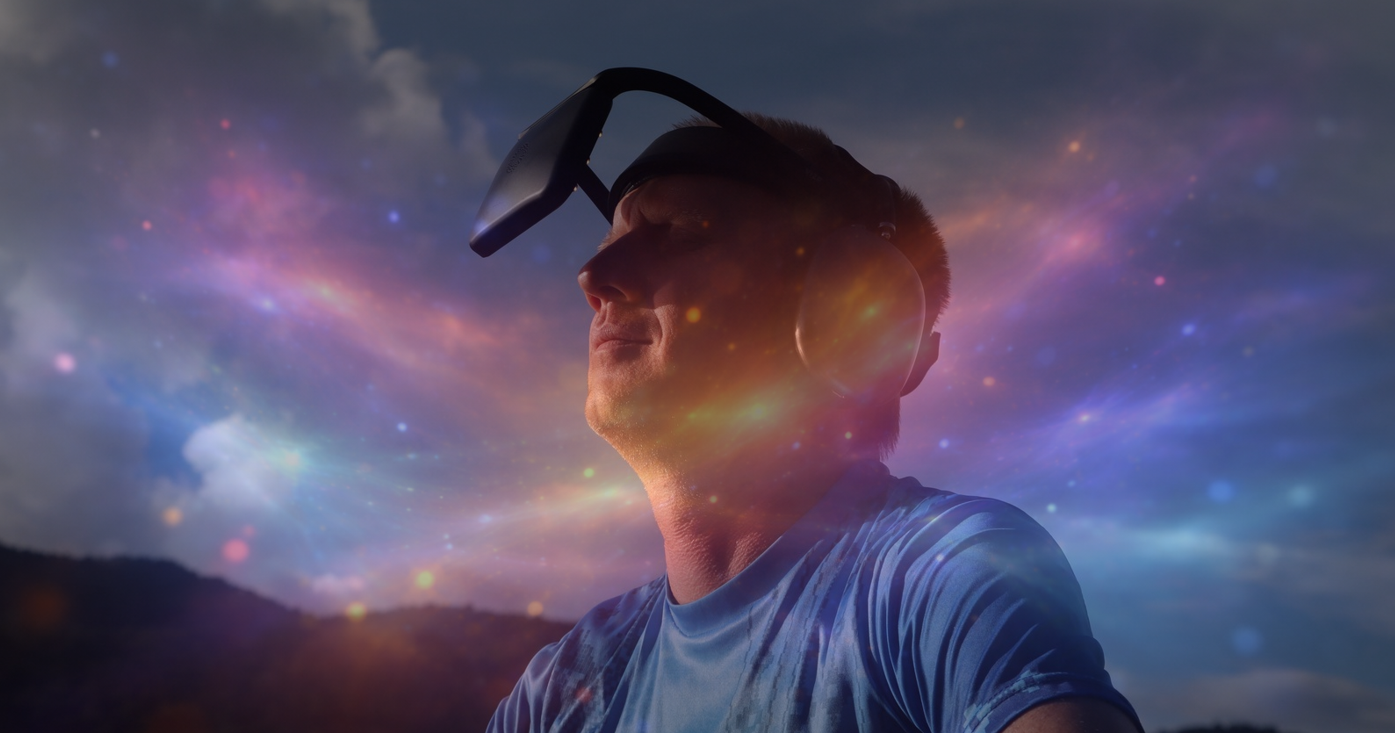
Pourquoi vous voyez des couleurs quand vous fermez les yeux : 7 raisons simples pour lesquelles cela arrive
Fermez les yeux et vous pourriez remarquer des couleurs douces, des scintillements de lumière ou des motifs légers qui défilent.
Cela peut sembler surprenant – mais pour beaucoup de personnes, c’est une expérience tout à fait naturelle.
Voici sept raisons simples et non techniques expliquant pourquoi votre esprit peut sembler « s’illuminer » lorsque vos yeux se reposent.
1. Votre système visuel ne s’éteint pas complètement
Même lorsque vos yeux sont fermés, votre système visuel reste actif. Le cerveau continue de traiter les signaux et les motifs, surtout dans les moments de calme.
2. Le cerveau crée naturellement des motifs
Le cerveau est un système de reconnaissance de motifs. Quand il y a moins d’entrées externes, il peut organiser les signaux internes en formes douces, vagues ou couleurs.
Ces sensations sont souvent appelées phosphènes – des impressions visuelles qui ne proviennent pas de la lumière extérieure.
3. La relaxation rend les sensations subtiles plus faciles à percevoir
Pendant la relaxation, la méditation ou les moments calmes, l’attention se tourne naturellement vers l’intérieur. Cela rend les expériences subtiles – comme les images douces – plus perceptibles.

4. Le rythme donne au cerveau quelque chose à quoi répondre
Le cerveau réagit fortement au rythme. Des sons ou des motifs lumineux doux et répétitifs peuvent rendre les images internes plus vives ou organisées.
Pour d’autres, l’expérience n’est pas du tout visuelle – elle peut se traduire par un calme, une clarté ou un silence mental.
Comment cela se relie aux couleurs que vous pouvez remarquer lors d’une séance NeuroVIZR
Pendant une séance NeuroVIZR, certaines personnes remarquent des couleurs douces, des motifs légers ou des impressions lumineuses changeantes – similaires à ce qui peut apparaître lors d’une relaxation profonde ou d’une méditation.
Cela ne se produit pas parce que l’appareil « crée » des images. Au contraire, NeuroVIZR utilise des rythmes structurés de lumière et de son conçus pour offrir au cerveau un environnement sensoriel calme et prévisible.
Quand les distractions externes sont réduites et que l’esprit reçoit un input rythmique, il peut devenir plus conscient de sa propre activité interne. Pour certaines personnes, cette conscience se manifeste par des images abstraites. Pour d’autres, elle se traduit par la relaxation, la concentration ou le calme mental.
Il n’y a pas d’expérience spécifique que vous êtes censé avoir. Certaines séances sont visuelles. D’autres sont subtiles ou profondément apaisantes. Toutes ces réponses sont normales.
5. L’expérience peut changer d’un jour à l’autre
Voir des couleurs les yeux fermés n’est pas constant – et ce n’est pas nécessaire. L’humeur, l’énergie, le sommeil, le stress et l’environnement influencent tous ce que vous remarquez.
6. Les images sont généralement abstraites et éphémères
- Elles sont douces et fluides, pas détaillées
- Elles vont et viennent naturellement
- Elles ne nécessitent pas d’interprétation
7. Vous n’avez rien à faire avec cette expérience
Voir des couleurs n’est pas un objectif. Ce n’est pas un signe que vous faites quelque chose de bien ou de mal.
Les pratiques de bien-être par la lumière et le son sont conçues pour soutenir la relaxation et le soin de soi au quotidien. Quelle que soit votre expérience – visuelle ou non – elle est suffisante.
Confort & conseils de sécurité doux
- Réduisez la luminosité ou l’intensité si nécessaire
- Choisissez des séances plus courtes ou plus douces
- Ajustez votre position pour être à l’aise
- Faites une pause et revenez plus tard si vous le souhaitez
Le confort passe toujours en premier. Si vous vous sentez incertain de votre expérience, il est normal de faire une pause et de demander conseil à un professionnel qualifié.
Une étape douce suivante
Si vous êtes curieux d’explorer les séances structurées de lumière et de son dans le cadre d’un rituel simple de bien-être quotidien, vous pouvez en apprendre davantage sur la façon dont NeuroVIZR est conçu pour soutenir la relaxation, la concentration et la clarté mentale au quotidien.
Continuez à explorer
- 10 conseils pour reprogrammer votre cerveau pour une vie meilleure
- Quand la méditation rencontre la technologie et l’essor de la guérison sensorielle
NeuroVIZR est un appareil de bien-être non médical conçu pour soutenir la relaxation et le bien-être mental quotidien. Il ne diagnostique, ne traite, ne guérit ni ne prévient aucune condition médicale.
Présentation de la nouvelle fonctionnalité Événements NeuroVIZR
Des difficultés avec vos résolutions du Nouvel An ? 7 conseils pour reprendre le bon chemin