

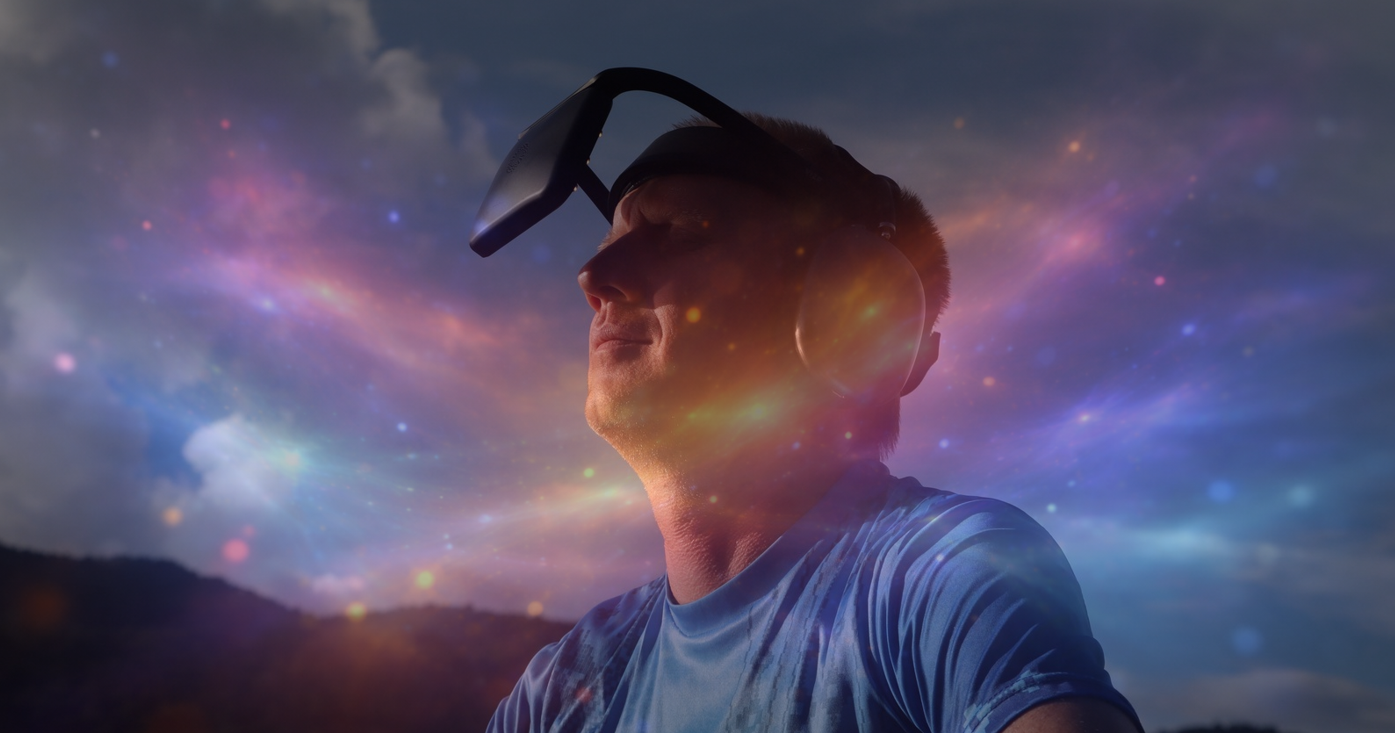
Por qué ves colores al cerrar los ojos: 7 razones sencillas por las que ocurre
Cierra los ojos y podrías notar colores suaves, destellos de luz o patrones delicados a la deriva.
Puede resultar sorprendente, pero para muchas personas es una experiencia completamente natural.
A continuación, se presentan siete razones sencillas y no técnicas por las que tu mente puede parecer que se "ilumina" cuando tus ojos descansan.
1. Tu sistema visual no se apaga completamente
Incluso cuando tienes los ojos cerrados, tu sistema visual permanece activo. El cerebro continúa procesando señales y patrones, especialmente en momentos de tranquilidad.
2. El cerebro crea patrones de forma natural
El cerebro es un sistema de reconocimiento de patrones. Cuando hay menos información externa, puede organizar las señales internas en formas suaves, ondas o colores.
Estas sensaciones a menudo se denominan fosfenos, impresiones visuales que no provienen de la luz exterior.
3. La relajación hace que las sensaciones sutiles sean más fáciles de notar
Durante la relajación, la meditación o un tiempo de desconexión tranquilo, la atención se dirige naturalmente hacia el interior. Esto hace que las experiencias sutiles, como las imágenes suaves, sean más perceptibles.

4. El ritmo le da al cerebro algo a lo que responder
El cerebro responde fuertemente al ritmo. Los patrones de sonido o luz suaves y repetitivos pueden hacer que las imágenes internas se sientan más vívidas u organizadas.
Para otros, la experiencia no es visual en absoluto, puede sentirse como calma, claridad o quietud mental.
Cómo esto se conecta con los colores que puedes notar durante una sesión de NeuroVIZR
Durante una sesión de NeuroVIZR, algunas personas notan colores suaves, patrones delicados o impresiones de luz cambiantes, similar a lo que puede aparecer durante la relajación profunda o la meditación.
Esto no sucede porque el dispositivo esté "creando" imágenes. En cambio, NeuroVIZR utiliza ritmos estructurados de luz y sonido diseñados para brindarle al cerebro un entorno sensorial tranquilo y predecible.
Cuando se reducen las distracciones externas y la mente recibe estímulos rítmicos, puede volverse más consciente de su propia actividad interna. Para algunas personas, esa conciencia se manifiesta como imágenes abstractas. Para otras, se manifiesta como relajación, concentración o quietud mental.
No hay una experiencia específica que se supone que debas tener. Algunas sesiones se sienten visuales. Otras se sienten sutiles o profundamente relajantes. Todas estas respuestas son normales.
5. La experiencia puede cambiar de un día a otro
Ver colores con los ojos cerrados no es constante, y no tiene por qué serlo. El estado de ánimo, la energía, el sueño, el estrés y el entorno influyen en lo que notas.
6. Las imágenes suelen ser abstractas y fugaces
- Son suaves y fluidas, no detalladas
- Vienen y van naturalmente
- No necesitan interpretación
7. No necesitas hacer nada con la experiencia
Ver colores no es un objetivo. No es una señal de que estás haciendo algo bien o mal.
Las prácticas de bienestar con luz y sonido están diseñadas para apoyar la relajación y el autocuidado diario. Lo que sea que experimentes, visual o no, es suficiente.
Consejos de comodidad y seguridad
- Disminuye el brillo o la intensidad si es necesario
- Elige sesiones más cortas o suaves
- Ajusta tu posición para mayor comodidad
- Haz una pausa y regresa más tarde si lo deseas
La comodidad siempre es lo primero. Si alguna vez te sientes inseguro acerca de tu experiencia, está bien hacer una pausa y buscar la orientación de un profesional calificado.
Un siguiente paso suave
Si tienes curiosidad por explorar las sesiones estructuradas de luz y sonido como parte de un ritual de bienestar diario sencillo, puedes obtener más información sobre cómo NeuroVIZR está diseñado para apoyar la relajación, la concentración y la claridad mental diaria.
Continúa explorando
- 10 consejos para reconectar tu cerebro para una vida mejor
- La meditación se une a la tecnología y el auge de la curación sensorial
NeuroVIZR es un dispositivo de bienestar no médico diseñado para apoyar la relajación y el bienestar mental diario. No diagnostica, trata, cura ni previene ninguna condición médica.
Presentamos la nueva función de eventos de NeuroVIZR
¿Te cuestan tus propósitos de Año Nuevo? 7 consejos para retomar el rumbo